


….Pradeep Kumar Nayak
When the British left India, we believed we would finally breathe the air of freedom. The announcement from the Red Fort, the adoption of the Constitution, and the right to vote gave hope that India had become truly independent. But within a few years, we realized that while the British had gone, those who imitated their style of rule had remained. The uniforms changed, the language changed, but the attitude of power stayed the same. These are what we call the Black Englishmen.
The Black Englishman is not one individual. It is a mindset, a habit, and a way of governing. Anyone who, after gaining power, stops seeing themselves as a public servant and starts behaving like a ruler becomes a Black Englishman. Anyone who forgets that the people elected them for five years to serve—not to rule—is a Black Englishman. Anyone who demands a bribe before moving a file, delays a poor person’s work for months, and completes it overnight once money is offered, is a Black Englishman. Anyone who treats public property as private property, replacing knowledge with alcohol and obscenity, is a Black Englishman.
The British exploited people through taxes. The Black Englishmen exploit them through commissions and corruption. The British used batons and prisons to create fear. The Black Englishmen use bureaucracy, influence, and intimidation. The British openly declared people to be slaves. The Black Englishmen smile and say, “You are voters—but don’t ask questions.” The only difference is that earlier the chains were visible; today they are invisible.
A living example exists around us. Rajnagar Public Library was once a temple of knowledge where children read books and elders read newspapers. Gradually, the very custodians of that institution turned it into a marketplace. For eleven years, the same committee has remained in control. There have been no elections, no audits, and no transparent accounts of income and expenditure. When citizens asked for records, they were ignored. Worse still, the library premises were rented out for weddings and obscene dance performances. Even after videos went viral on Citizen Awaaz Channel, there was little concern because those in control believed no one would question them.
This mentality is the foundation of the rule of the Black Englishmen. Build drains in the middle of roads, dig up public land, misuse public institutions—and when someone questions it, simply ask, “Why do you care?” The answer is simple: because it is our money, our land, and our institution. The people are the owners; public officials are the servants. Yet very few dare to say this aloud.
The battle of 1857 was fought with guns. Bhagat Singh threw bombs. Mahatma Gandhi fought through satyagraha. Today, the battlefield has changed. The pen has replaced the gun. The RTI application has replaced the bomb. The camera has become the tool of modern satyagraha. Writing fifteen articles is not a small act—every article is a bullet fired in the direction of truth. Every RTI is a question that shakes the chair of authority. Every viral video is a mirror exposing the faces of the Black Englishmen.
But this fight is not easy. Those in power know that if citizens unite, their business of exploitation will end. So they divide people in the name of caste, religion, and political parties, ensuring citizens fight one another instead of asking about libraries, roads, schools, and public funds. Their second strategy is exhaustion. File a complaint—they bury it. Write an article—they ignore it. Submit an RTI—they make you wait for thirty days or more. Their goal is simple: make you give up and remain silent.
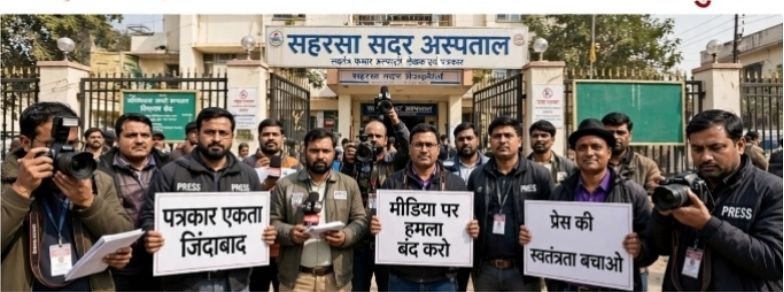
That is why silence is the greatest victory for injustice. Journalists like Pradeep Kumar Nayak, who write fifteen or twenty articles on public issues, are not speaking only for themselves. They become the voice of every citizen who feels suffocated but cannot speak. Filing an RTI is not begging for a favor—it is demanding a constitutional right. Recording a video is not creating drama—it is collecting evidence.
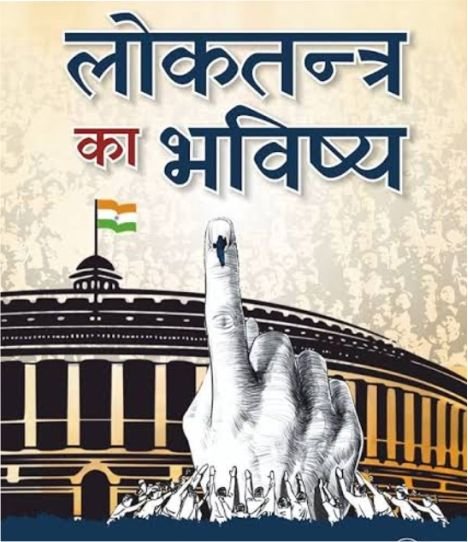
The fight against the Black Englishmen is not about hating individuals. It is about resisting a system that believes whatever it does is unquestionable. Democracy does not mean voting once every five years. Democracy means asking questions every day, demanding answers every day, and seeking accountability every day.
Even after 79 years of independence, if libraries hold liquor bottles instead of books, roads are filled with potholes instead of pathways, and citizens receive threats for asking questions, then freedom remains incomplete. Political slavery may have ended, but mental slavery still survives.
This is a long struggle, but it must be fought. History proves that no authoritarian system lasts forever. The British ruled for nearly two centuries before they left. The Black Englishmen, too, will disappear the day citizens awaken, the day the pen refuses to be sold, and the day those in power begin to fear answering RTIs instead of ignoring them.
One final message: Do not be afraid. Do not give up. “The public knows everything.” And the day the public truly begins to speak, the chairs of the Black Englishmen will start shaking on their own.










Leave a Reply