


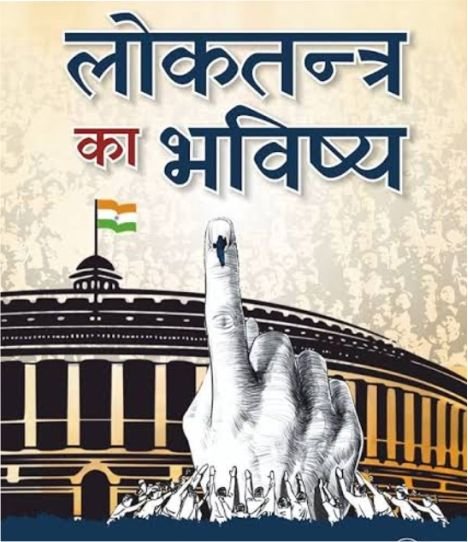
…Pradeep Kumar Nayak
The most beautiful thing about democracy is that the people are the masters and leaders are their servants. But in reality, it often appears to be the opposite. The master is left standing at the door while the servant bolts it from inside. Ask questions and there are no answers; demand accountability and there is anger. Open a file and whispers begin: “It is not necessary to reveal everything.” Why do leaders avoid transparency so much?
Transparency has a very simple meaning: being as clear as glass. Where did the money come from? Where did it go? How was a decision made? Who received a contract? What were the rules? When everything is open, the public develops trust. But it is precisely this trust that frightens many leaders.
The first reason is fear—the fear that if everything comes out in the open, the truth will be exposed. Grand promises are made during elections, followed by small compromises afterward. Money meant for government schemes exists in one place on paper and somewhere else on the ground. A drain in the middle of a road, dancing and alcohol in a library, and a committee holding control for eleven years without elections—such things continue only as long as nobody asks for an account. The day an RTI application is filed, an audit is conducted, or registers are opened, the game begins to fall apart. That is why transparency is dismissed as a “waste of time.”
The second reason is the intoxication of power. Once people gain power, they begin to feel that no one is above them. They will move the files, make the rules, and decide the exceptions. Transparency creates a crack in that illusion. It reminds them that they are temporary, while the public is permanent. They will be questioned, and they will have to answer. Many leaders want to avoid this accountability. They see questions as distrust, whereas in truth, the absence of questions is democracy’s greatest danger.
The third reason is the web of self-interest. No one enters politics alone. Behind them are donors, contractors, land dealers, relatives, and close associates. If everything became transparent, it would be clear who benefited and how. Then it would become difficult to favour one’s own people. That is why pages disappear from files, tender conditions are altered, and meeting minutes are not recorded. Keeping things in the dark becomes necessary so that the game can continue comfortably.
The biggest reason, however, is that leaders often consider the public weak. They assume people are forgetful and will remember nothing for five years after an election. A few speeches, a few photographs, and one or two inaugurations will do the job. Anyone demanding transparency is labelled “negative,” “an opponent,” or “someone trying to defame the system.” Gradually, people get tired and fall silent. It is on this silence that the rule of “black Britishers” survives.
But the truth is that a leader who fears transparency eventually begins to fear the people as well. Such a leader avoids questions, hides from cameras, and resents newspapers—because they know that once they stand before a mirror, the truth on their face will become visible.
The public library in Rajnagar is an example. For eleven years, there have been no elections, no audits, and no general meetings. Weddings, dancing, and alcohol have taken place in its premises, and even after videos went viral, there was silence. Why? Because if the registers were opened and the bank accounts examined, everyone would discover whose private estate the institution had become. So files are buried, journalists are ignored, and complainants are exhausted.
But times are changing. Today, people have mobile phones, pens, and the Right to Information Act in their hands. Whether it is a video by “Citizen Voice” or an article by Pradeep Kumar Nayak, the truth can no longer be easily hidden. Leaders may avoid transparency as much as they wish, but sunlight cannot be locked inside a sack.
Transparency is not an enemy of any leader; it is their shield. A leader who is clean and whose accounts are clear has nothing to fear. Transparency increases public trust, strengthens the credibility of government, and helps work get done faster. Avoiding it increases only one thing: suspicion.
In the end, the matter is simple. In a democracy, a chair is rented, not owned. The landlord—the public—has every right to demand an account from the tenant. If a leader avoids transparency, they should understand that avoiding it does not kill the truth; it only kills trust. And the day trust dies, the chair will not survive either.
Therefore, the struggle must continue—by writing articles, asking questions, and filing RTI applications. Demanding transparency is not treason; it is patriotism.










Leave a Reply